

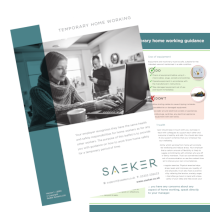
Lockdowns forced many into sudden home setups, skipping the usual checks for long-term remote work. Don’t worry—this guide helps you support your team safely. We’ll cover key risks, simple steps, and a free employee leaflet to boost awareness and compliance.
In hospitality, where shifts are unpredictable, these tips ensure you meet Health and Safety duties without overwhelming your staff.
Why Home Working Matters Now (Even Post-Lockdown)
Remote work is here to stay—hybrid models mix office and home. But rushed setups can lead to hazards like poor ergonomics or isolation. Act now to prevent issues: Support well-being, cut absenteeism, and avoid claims.
Top Risks and How to Spot Them
Watch for these common pitfalls in home offices:
- Ergonomic strain: Bad chairs or screens causing back pain or eye fatigue.
- Mental health dips: Loneliness from missing team chats, or burnout from blurred work-life lines.
- Safety gaps: Tripping hazards, faulty wiring, or inadequate lighting/ventilation.
- Data security: Unsecured Wi-Fi risking breaches in client info.
Pro tip: Start with a quick virtual walkthrough—ask employees to share photos of their setup.
Practical Steps to Support Your Team
Take these actionable measures today. They’re quick, low-cost, and show you care.
- Assess setups remotely: Send a simple checklist (like our free leaflet below). Cover desk height, screen position, and breaks.
- Provide resources: Offer ergonomic loans (e.g., laptop stands) or stipends for home gear. Reimburse up to £20–50 per employee—it’s tax-deductible.
- Build routines: Schedule daily check-ins via Zoom. Encourage “digital detox” rules, like no emails after 7 PM.
- Train on basics: Share short videos on stretching, secure logins, and spotting stress. Make it mandatory but fun.
- Monitor and adjust: Follow up monthly. Use anonymous surveys to tweak support.
For larger teams, integrate this into your policy—reference ACAS guidelines for legal cover.
Download the guidance and employee leaflet
 Guidance note – temporary home working
Find out more or contact us
Saeker leads health and safety for hotels, holiday parks, and restaurants. Through the COVID-19 era and beyond, we offer free resources to keep your operations safe and smooth.
Stay in the loop? Sign up for our emails—we deliver top-notch checklists, articles, and tools, timed right (a few per week during fast changes).
Please signup to receive our emails or contact us on 0330 333 8433.
Comments are closed.